
Miami multifamily internet has become one of the most critical amenities for property owners and managers seeking to attract quality tenants in 2026. As South Florida’s rental market continues to evolve, reliable high-speed connectivity is no longer a luxury—it’s an absolute necessity that directly impacts occupancy rates, rental premiums, and resident satisfaction scores. Whether managing a boutique apartment complex in Brickell or a sprawling community in Kendall, understanding the nuances of Miami multifamily internet infrastructure can mean the difference between thriving properties and struggling vacancies.
This comprehensive guide explores everything property stakeholders need to know about implementing, upgrading, and optimizing Miami multifamily internet solutions. From understanding local market demands to navigating provider negotiations, readers will gain actionable insights backed by industry research and regional expertise. The goal is straightforward: help property owners deliver exceptional connectivity that residents genuinely value while maximizing return on infrastructure investments.
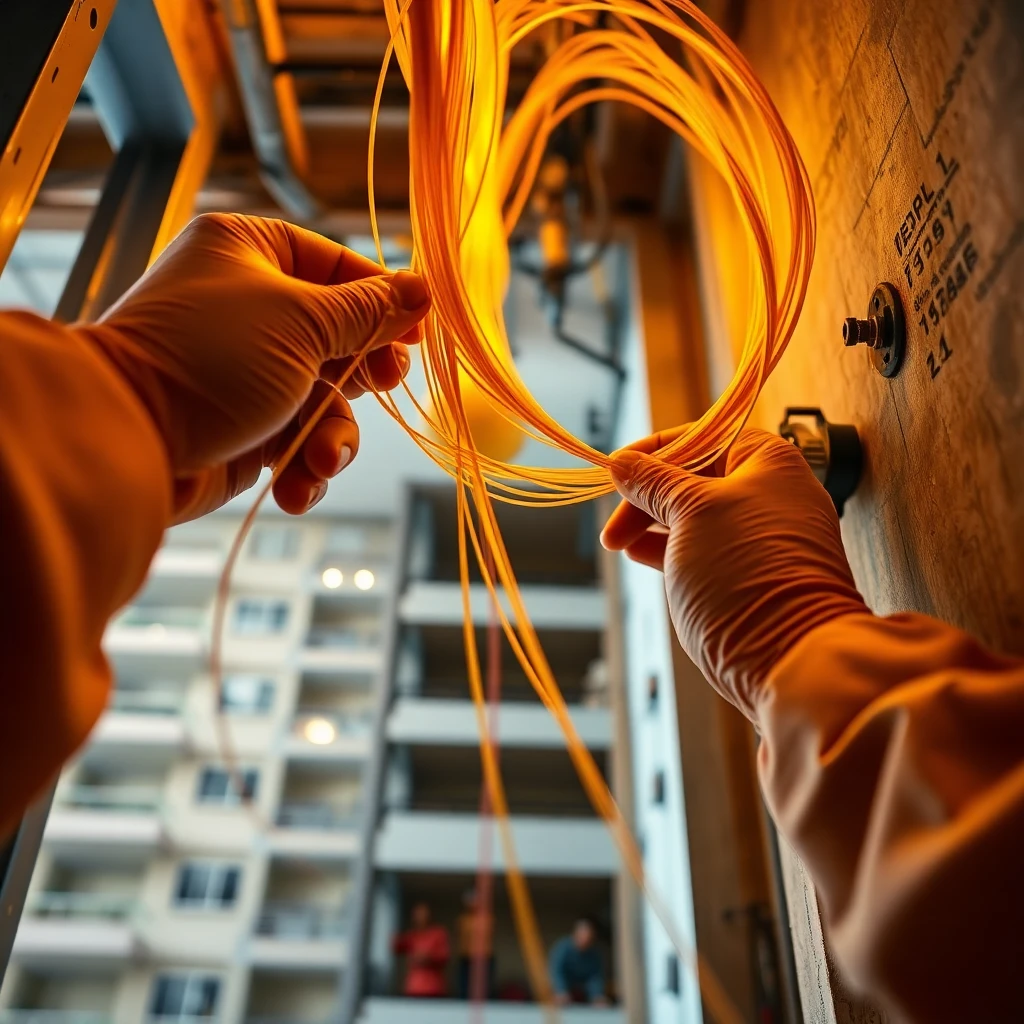
Why Miami Multifamily Internet Matters More Than Ever in 2026
The importance of Miami multifamily internet has reached unprecedented levels as remote work, streaming entertainment, and smart home technology converge to create insatiable bandwidth demands. According to the U.S. Census Bureau, Miami-Dade County’s population exceeds 2.7 million residents, with approximately 52% living in rental housing. This substantial renter population creates enormous demand for properties offering superior connectivity solutions.
Research indicates that 87% of apartment seekers now consider internet quality a top-three amenity when evaluating potential homes. For Miami specifically, this percentage climbs even higher due to the region’s concentration of remote workers, digital nomads, and international professionals who depend on reliable connections for their livelihoods. Properties without robust Miami multifamily internet infrastructure increasingly find themselves at a competitive disadvantage. Property owners looking to understand the broader landscape should explore fiber internet for multi family buildings as a foundational technology choice.
The Remote Work Revolution’s Impact
The permanent shift toward hybrid and remote work arrangements has fundamentally transformed what residents expect from their living spaces. In Miami’s thriving business ecosystem—which includes major financial services firms, tech startups, and international corporations—professionals require enterprise-grade connectivity at home. Miami multifamily internet solutions must now support video conferencing, cloud computing, and large file transfers simultaneously across hundreds of units without degradation.
Industry experts recommend minimum speeds of 500 Mbps per unit for properties targeting professional tenants, with 1 Gbps becoming the new standard for premium developments. Properties that invested early in Miami multifamily internet upgrades report occupancy rates averaging 6-8% higher than comparable buildings with outdated infrastructure.
Entertainment and Smart Home Integration
Beyond work requirements, modern residents consume unprecedented amounts of streaming content while simultaneously operating smart home ecosystems. The average Miami household now connects 15-20 devices to their network, ranging from smart televisions and gaming consoles to security cameras and voice assistants. This device proliferation demands Miami multifamily internet systems capable of handling massive concurrent connections without bottlenecks.

Understanding Miami’s Unique Connectivity Landscape
Miami multifamily internet presents distinctive challenges and opportunities shaped by the region’s geography, climate, and infrastructure history. Property owners must understand these local factors to make informed decisions about connectivity investments. The subtropical environment, hurricane exposure, and diverse building stock all influence which solutions work best for specific properties.
Climate Considerations for Infrastructure
Miami’s average annual temperature of 77°F and humidity levels frequently exceeding 75% create specific demands for Miami multifamily internet equipment. Outdoor networking components must withstand salt air corrosion, intense UV exposure, and occasional flooding. Best practices suggest selecting IP67-rated equipment for any exterior installations and ensuring proper ventilation for indoor distribution rooms that can experience significant heat buildup.
Hurricane preparedness represents another critical consideration for Miami multifamily internet infrastructure. Properties should implement redundant connectivity paths, backup power systems for networking equipment, and underground fiber runs where possible. The 2024 hurricane season demonstrated that buildings with properly hardened Miami multifamily internet systems maintained connectivity even during extended power outages, providing enormous value to residents.
Building Architecture Challenges
Miami’s diverse architectural landscape—from historic Art Deco buildings in South Beach to modern high-rises in Downtown—creates varying challenges for Miami multifamily internet deployment. Older concrete structures may require creative solutions for cable routing, while newer buildings benefit from pre-installed conduit systems. Property managers should conduct thorough infrastructure assessments before selecting connectivity approaches.
High-rise buildings exceeding 20 stories often require distributed antenna systems and multiple network distribution points to ensure consistent Miami multifamily internet coverage throughout. Ground-floor commercial spaces in mixed-use developments may need separate connectivity solutions to prevent residential bandwidth competition.
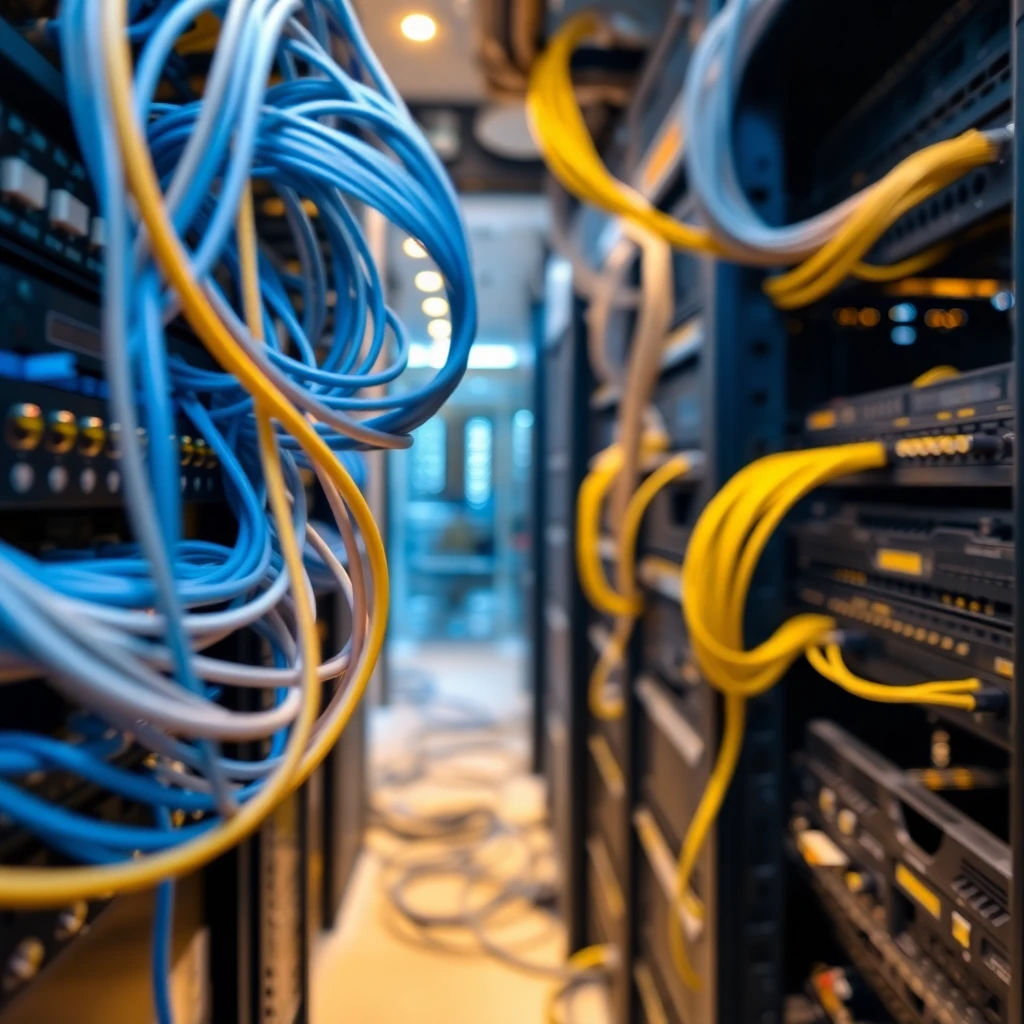
Miami Multifamily Internet: Local Market Insights and Statistics
Understanding Miami’s specific market dynamics helps property owners make strategic decisions about Miami multifamily internet investments. The region’s unique demographic composition, economic drivers, and growth trajectories all influence connectivity requirements and resident expectations.
Demographic and Economic Context
Miami-Dade County’s median household income of approximately $59,000 supports substantial spending on quality housing amenities. However, the market’s diversity means Miami multifamily internet solutions must accommodate various price points and service tiers. Luxury developments in areas like Sunny Isles Beach command monthly rents exceeding $4,000, justifying premium connectivity investments, while workforce housing in Hialeah requires cost-effective solutions that still meet modern standards.
The region’s status as a gateway to Latin America brings significant international business activity, with many residents requiring reliable connections to South American markets operating in different time zones. This international dimension makes Miami multifamily internet quality particularly important for properties targeting corporate relocations and business professionals.
Local Provider Landscape
Miami’s Miami multifamily internet market features several major providers competing for property partnerships. AT&T Fiber, Xfinity, and regional providers like Atlantic Broadband offer various bulk service arrangements. Understanding each provider’s coverage footprint, infrastructure investments, and service level agreements helps property owners negotiate favorable terms. For properties considering comprehensive solutions, understanding bulk WiFi Miami options can provide significant cost advantages and operational simplicity.
According to recent industry analysis, properties that negotiate bulk Miami multifamily internet agreements typically achieve 20-30% cost savings compared to individual resident subscriptions while offering faster speeds. These arrangements also simplify move-in processes and reduce resident complaints about connectivity issues.
Interesting Local Facts About Miami’s Digital Infrastructure
Miami has emerged as a significant technology hub, with the NAP of the Americas data center serving as a critical internet exchange point for traffic between North America, South America, and the Caribbean. This infrastructure backbone provides Miami multifamily internet with access to robust connectivity options unavailable in many other markets.
The city’s “Miami Tech” initiative has attracted numerous technology companies, increasing demand for high-quality residential connectivity. Between 2020 and 2025, Miami’s tech workforce grew by approximately 45%, creating a resident population with particularly high Miami multifamily internet expectations and technical sophistication.
Miami Beach’s ongoing smart city initiatives include public WiFi expansion that complements private Miami multifamily internet infrastructure, creating seamless connectivity experiences for residents throughout their daily activities. This municipal investment signals the region’s commitment to digital excellence.

Essential Components of Effective Miami Multifamily Internet Systems
Implementing successful Miami multifamily internet requires understanding the technical components that deliver reliable, high-speed connectivity. Property owners don’t need to become networking experts, but familiarity with key infrastructure elements enables more productive conversations with providers and contractors.
Fiber Optic Backbone Infrastructure
Fiber optic cabling forms the foundation of modern Miami multifamily internet systems, offering virtually unlimited bandwidth potential and immunity to electromagnetic interference. Properties should prioritize fiber-to-the-unit (FTTU) deployments where feasible, as this architecture provides the most future-proof solution. While initial installation costs exceed traditional coaxial systems, fiber’s longevity and performance advantages typically deliver superior long-term value.
For existing buildings where FTTU proves impractical, fiber-to-the-building (FTTB) with high-quality internal distribution represents an acceptable compromise. Miami multifamily internet systems using this hybrid approach can still deliver gigabit speeds to individual units through optimized coaxial or ethernet distribution.
Network Distribution Equipment
The quality of switches, routers, and access points significantly impacts Miami multifamily internet performance. Enterprise-grade equipment from manufacturers like Cisco, Aruba, and Ubiquiti offers reliability and management features essential for multi-tenant environments. Consumer-grade equipment may seem cost-effective initially but typically fails under the demands of serving dozens or hundreds of simultaneous users.
Managed WiFi solutions have become increasingly popular for Miami multifamily internet deployments, providing centralized control over network performance, security, and troubleshooting. These systems allow property managers to monitor connectivity health, identify issues proactively, and demonstrate service quality to prospective residents. Property managers seeking comprehensive guidance on these solutions can benefit from understanding MDU WiFi services and their implementation requirements.
Redundancy and Reliability Features
Mission-critical Miami multifamily internet systems incorporate redundancy at multiple levels. Dual internet service provider connections ensure continued operation if one provider experiences outages. Uninterruptible power supplies protect networking equipment during brief power interruptions, while generator backup enables extended operation during major outages.
Properties in hurricane-prone areas should consider Miami multifamily internet designs that include cellular failover capabilities, providing basic connectivity even when traditional infrastructure fails. This resilience increasingly differentiates premium properties from competitors.

Selecting the Right Miami Multifamily Internet Provider
Choosing among Miami multifamily internet providers requires careful evaluation of multiple factors beyond simple pricing comparisons. The right partner delivers not just connectivity but ongoing support, scalability, and alignment with property goals.
Evaluating Provider Capabilities
When assessing Miami multifamily internet providers, property owners should request detailed information about infrastructure investments, service level agreements, and support responsiveness. Key questions include: What is the provider’s network uptime guarantee? How quickly do they respond to outage reports? What bandwidth options will be available as technology evolves?
References from comparable properties provide valuable insights into real-world Miami multifamily internet performance. Speaking with other property managers about their experiences reveals information that sales presentations may omit, including billing accuracy, contract flexibility, and actual versus advertised speeds.
Contract Negotiation Strategies
Miami multifamily internet agreements often span five to ten years, making careful contract negotiation essential. Property owners should seek provisions for technology upgrades, competitive pricing adjustments, and performance guarantees with meaningful remedies. Revenue-sharing arrangements, where properties receive compensation based on resident subscriptions, can offset infrastructure costs.
Industry experts recommend including termination clauses that protect properties if providers fail to meet service commitments. Miami multifamily internet contracts should also address resident communication responsibilities, ensuring clear expectations about who handles billing inquiries and technical support.
Bulk Service Versus Individual Subscriptions
The choice between bulk Miami multifamily internet service and individual resident subscriptions involves tradeoffs worth careful consideration. Bulk arrangements typically offer lower per-unit costs, simplified operations, and consistent service quality. However, they require upfront property investment and may limit resident choice.
Properties targeting luxury demographics may prefer offering Miami multifamily internet as an included amenity, bundling costs into rent while emphasizing the convenience factor. Value-oriented properties might offer bulk service as an optional add-on, allowing cost-conscious residents to arrange their own connectivity.
Implementation Best Practices for Miami Multifamily Internet Projects
Successful Miami multifamily internet deployments require careful planning, clear communication, and attention to details that impact both installation quality and resident experience. Following established best practices minimizes disruptions and maximizes long-term satisfaction.
Pre-Installation Assessment and Planning
Thorough site surveys identify potential challenges before Miami multifamily internet installation begins. Assessments should document existing infrastructure, identify optimal equipment locations, and plan cable routing that minimizes aesthetic impact. Properties with historical designations or HOA restrictions may require additional approvals that extend project timelines.
Creating detailed project schedules helps coordinate Miami multifamily internet installation with resident notifications, common area closures, and contractor access requirements. Phased implementations that complete one building section before moving to the next often minimize disruption in occupied properties.
Resident Communication Strategies
Proactive communication builds resident support for Miami multifamily internet projects. Announcements should emphasize benefits residents will receive, provide realistic timeline expectations, and offer channels for questions or concerns. Properties that frame connectivity upgrades as investments in resident quality of life typically encounter less resistance to temporary inconveniences.
During installation, regular updates keep residents informed about progress and any schedule changes. After Miami multifamily internet systems become operational, clear instructions for connecting devices and accessing support resources ensure smooth transitions.
[IMAGE: Property manager presenting Miami multifamily internet upgrade plans to resident meeting]
Quality Assurance and Testing
Comprehensive testing validates that Miami multifamily internet installations meet specifications before declaring projects complete. Testing should verify speeds at multiple points throughout buildings, confirm consistent coverage in common areas, and stress-test systems under simulated high-usage conditions.
Documentation of test results provides baselines for future troubleshooting and demonstrates due diligence if disputes arise. Properties should retain detailed records of Miami multifamily internet installation specifications, equipment locations, and configuration settings.
Maximizing Return on Miami Multifamily Internet Investments
Strategic approaches to Miami multifamily internet can transform connectivity from a cost center into a competitive advantage that drives property performance. Understanding how to leverage infrastructure investments maximizes their value.
Marketing Connectivity as a Premium Amenity
Properties with superior Miami multifamily internet should prominently feature connectivity in marketing materials. Specific speed claims, reliability statistics, and technology descriptions help differentiate listings from competitors offering vague “high-speed internet” mentions. Virtual tours can demonstrate smart home integration capabilities enabled by robust connectivity.
Testimonials from residents about their Miami multifamily internet experiences provide compelling social proof. Remote workers praising reliable video conferencing or gamers appreciating low latency connections speak directly to prospect priorities.
Rental Premium Opportunities
Research indicates that properties with premium Miami multifamily internet can command rental premiums of $50-150 monthly compared to buildings with standard connectivity. For a 200-unit property, even modest premiums generate substantial additional revenue that quickly recovers infrastructure investments.
Tiered service offerings allow properties to capture additional revenue from residents wanting enhanced Miami multifamily internet packages. Basic included service might offer 500 Mbps, while premium tiers providing 1 Gbps or dedicated bandwidth generate incremental monthly fees.
Operational Efficiency Gains
Beyond resident-facing benefits, robust Miami multifamily internet enables property operational improvements. Smart building systems for HVAC optimization, access control, and maintenance monitoring require reliable connectivity. Properties can reduce operating costs while improving service quality through technology enabled by their connectivity infrastructure.
Centralized Miami multifamily internet management platforms provide insights into network usage patterns, helping properties anticipate upgrade needs and demonstrate value to ownership. Data-driven decision making becomes possible when connectivity infrastructure supports comprehensive monitoring.
[IMAGE: Dashboard showing Miami multifamily internet performance metrics and usage analytics]
Common Miami Multifamily Internet Challenges and Solutions
Even well-planned Miami multifamily internet deployments encounter challenges. Understanding common issues and proven solutions helps property managers respond effectively when problems arise.
Bandwidth Congestion During Peak Hours
Evening hours when residents return home often create Miami multifamily internet congestion as streaming, gaming, and downloads compete for bandwidth. Solutions include implementing quality-of-service policies that prioritize time-sensitive traffic, upgrading backbone capacity, or offering premium tiers with guaranteed bandwidth allocation.
Monitoring tools that identify congestion patterns help properties plan targeted upgrades rather than over-provisioning entire systems. Strategic Miami multifamily internet capacity management balances performance with cost efficiency.
Coverage Dead Zones
Building construction materials, elevator shafts, and unusual floor plans can create areas with poor Miami multifamily internet coverage. Site surveys using professional analysis tools identify problem areas, while solutions range from additional access points to mesh networking systems that extend coverage throughout properties.
Resident feedback provides valuable intelligence about coverage issues that initial surveys may miss. Properties should establish easy channels for reporting Miami multifamily internet problems and respond promptly to maintain satisfaction.
Security and Privacy Concerns
Shared Miami multifamily internet infrastructure raises legitimate security questions from privacy-conscious residents. Properties should implement network segmentation that isolates individual units, preventing neighbors from accessing each other’s devices. Clear privacy policies explaining what data properties collect and how they protect it build trust.
Regular security updates for Miami multifamily internet equipment protect against emerging vulnerabilities. Properties should establish maintenance schedules that include firmware updates and security audits.
Future Trends Shaping Miami Multifamily Internet
Forward-thinking property owners consider emerging technologies when planning Miami multifamily internet investments. Understanding trends helps ensure infrastructure remains relevant as resident expectations evolve.
WiFi 7 and Beyond
The latest WiFi standards offer dramatically improved performance for Miami multifamily internet applications. WiFi 7 technology provides speeds exceeding 40 Gbps with reduced latency and better performance in dense environments. Properties planning upgrades should ensure backbone infrastructure can support these advanced wireless capabilities.
5G Integration
Private 5G networks are emerging as complementary Miami multifamily internet solutions, particularly for properties with extensive outdoor amenities or challenging coverage requirements. While costs remain significant, declining equipment prices may make 5G viable for more properties within the next few years.
Smart Building Convergence
Miami multifamily internet increasingly serves as the foundation for comprehensive smart building ecosystems. Integration with energy management, security, and resident services creates seamless experiences that differentiate properties. Connectivity infrastructure designed with expansion in mind accommodates these evolving applications.
Frequently Asked Questions About Miami Multifamily Internet
What speeds should Miami multifamily internet provide to meet resident expectations?
Industry standards for Miami multifamily internet in 2026 recommend minimum speeds of 500 Mbps per unit, with 1 Gbps becoming standard for properties targeting professional tenants. Premium developments increasingly offer 2 Gbps or higher to differentiate themselves in competitive markets. Speed requirements continue increasing as device counts and bandwidth-intensive applications grow.
How much does Miami multifamily internet infrastructure typically cost to install?
Miami multifamily internet installation costs vary significantly based on building age, size, and existing infrastructure. Rough estimates range from $500-2,000 per unit for comprehensive fiber deployments in existing buildings, with new construction costs typically lower due to easier cable routing. Bulk service agreements may include infrastructure investments from providers, reducing property outlays.
Should properties include Miami multifamily internet in rent or offer it separately?
The optimal approach depends on property positioning and target demographics. Luxury properties often include Miami multifamily internet as a bundled amenity, simplifying resident experience and justifying premium rents. Value-oriented properties may offer connectivity as an optional service, providing flexibility for cost-conscious residents while generating ancillary revenue from those wanting enhanced packages.
How can properties ensure Miami multifamily internet reliability during hurricanes?
Hurricane-resilient Miami multifamily internet requires multiple strategies: underground fiber routing where possible, redundant provider connections, backup power systems including generators, and cellular failover capabilities. Properties should also maintain emergency communication plans that don’t depend solely on internet connectivity.
What role do managed WiFi services play in Miami multifamily internet?
Managed WiFi services provide professional oversight of Miami multifamily internet networks, including monitoring, maintenance, and resident support. These services typically cost $5-15 per unit monthly but reduce property staff burden and ensure consistent performance. For properties without dedicated IT resources, managed services often prove cost-effective compared to handling connectivity issues internally. Property managers in other markets, such as those exploring MDU internet Kansas City solutions, face similar considerations when evaluating managed service options.
Key Takeaways
- Miami multifamily internet has become essential for attracting quality tenants, with 87% of apartment seekers ranking connectivity among their top three amenity priorities.
- Local factors including climate, building architecture, and market demographics significantly influence optimal Miami multifamily internet solutions for specific properties.
- Fiber optic infrastructure provides the most future-proof foundation for Miami multifamily internet, despite higher initial costs compared to legacy technologies.
- Strategic provider negotiations and bulk service agreements can reduce Miami multifamily internet costs by 20-30% while improving service quality and simplifying operations.
- Properties with premium connectivity can command rental premiums of $50-150 monthly, generating returns that quickly recover infrastructure investments.
Conclusion
Miami multifamily internet represents one of the most impactful investments property owners can make in 2026’s competitive rental market. As connectivity demands continue escalating, properties that deliver exceptional internet experiences will attract better tenants, achieve higher occupancy rates, and command premium rents. The strategies outlined in this guide provide a roadmap for implementing Miami multifamily internet solutions that meet current needs while accommodating future growth.
Success requires understanding Miami’s unique market dynamics, selecting appropriate technology and providers, and executing implementations with attention to both technical quality and resident experience. Properties that approach Miami multifamily internet strategically—rather than treating it as a commodity utility—position themselves for sustained competitive advantage in South Florida’s dynamic rental market.
For property owners ready to enhance their Miami multifamily internet capabilities, the time to act is now. Connectivity infrastructure investments made today will deliver returns for years to come, while properties that delay risk falling behind competitors who recognize the strategic importance of exceptional residential internet service. Learn more about managed WiFi solutions and property connectivity assessments to begin your upgrade journey.
References
- U.S. Census Bureau – Miami-Dade County QuickFacts: https://www.census.gov/quickfacts/miamidadecountyfl
- Federal Communications Commission – Broadband Deployment Report: https://www.fcc.gov/reports-research/reports/broadband-progress-reports
- National Multifamily Housing Council – Resident Preferences Survey 2025
- Miami-Dade County Department of Regulatory and Economic Resources – Housing Market Reports