
Eugene MDU Internet Provider services have become essential infrastructure for apartment complexes, condominiums, and multi-family housing developments throughout Lane County. Eugene MDU Internet Provider solutions address the unique connectivity challenges that property managers and residents face in shared housing environments. As remote work continues to reshape how Oregonians live and work, reliable internet access has transitioned from a luxury amenity to a fundamental necessity.
Research indicates that over 78% of renters now consider high-speed internet a top-three priority when selecting housing, according to the National Multifamily Housing Council. This comprehensive guide explores everything property owners and residents need to know about securing dependable connectivity in Eugene’s growing multi-dwelling landscape. From understanding infrastructure requirements to evaluating service agreements, readers will gain actionable insights for making informed decisions about their internet needs in 2026.

Understanding Eugene MDU Internet Provider Services
Multi-dwelling unit internet services differ significantly from traditional residential connections. These specialized solutions must accommodate dozens or even hundreds of simultaneous users within a single building infrastructure. Eugene MDU Internet Provider services require careful planning to ensure bandwidth allocation meets the demands of streaming, gaming, remote work, and smart home devices across all units.
Industry experts recommend minimum speeds of 100 Mbps per unit for adequate performance in today’s connected households. Property managers seeking comprehensive guidance can explore MDU WiFi services to understand the full scope of available solutions from an experienced Eugene MDU Internet Provider.
The technical architecture behind multi-unit internet Eugene involves several key components. Fiber optic backbone connections typically serve as the primary data pipeline into the building. From there, distribution systems branch out to individual units through various methods including ethernet, coaxial cable, or wireless access points. Each approach offers distinct advantages depending on building age, construction materials, and resident density.
Infrastructure Considerations for Property Managers
Property managers must evaluate existing building infrastructure before selecting a Eugene MDU Internet Provider. Older buildings constructed before 2000 often lack adequate conduit pathways for modern fiber installations. According to the Federal Communications Commission, approximately 35% of multi-family buildings nationwide require infrastructure upgrades to support gigabit-speed services. Eugene’s housing stock includes many historic properties that present unique installation challenges requiring creative solutions from experienced providers.
Building materials significantly impact wireless signal propagation throughout multi-dwelling units. Concrete and steel construction common in larger apartment complexes can reduce WiFi coverage by up to 70% compared to wood-frame buildings. Professional site surveys help identify optimal equipment placement and determine whether wired or wireless distribution systems will deliver the best results for residents.
Eugene residential MDU connectivity often requires hybrid approaches combining multiple technologies. Similar challenges face property managers in the Pacific Northwest, as detailed in resources about Seattle MDU internet provider solutions.
Service Level Agreements and Contracts
Bulk service agreements between property owners and internet providers have become increasingly popular in Eugene’s competitive rental market. These arrangements typically offer discounted rates in exchange for exclusive building access and guaranteed subscriber numbers. However, property managers should carefully review contract terms regarding service guarantees, upgrade provisions, and termination clauses before committing to long-term agreements with a Eugene MDU Internet Provider.

Why Eugene MDU Internet Provider Services Matter Locally
Eugene’s unique characteristics make reliable MDU broadband provider Eugene services particularly important for the community. With a population exceeding 178,000 residents, Eugene represents Oregon’s second-largest city and continues experiencing steady growth. The University of Oregon brings approximately 24,000 students who require robust internet connectivity for academic pursuits, many residing in off-campus multi-family housing. Lane County’s median household income of $58,000 means residents seek value-oriented internet solutions that deliver performance without excessive costs.
The local economy increasingly depends on digital connectivity. Eugene’s technology sector has grown 23% since 2020, with numerous startups and remote workers establishing operations throughout the city. Climate considerations also play a role, as Eugene receives approximately 47 inches of annual rainfall, encouraging indoor activities that rely heavily on internet connectivity. The city’s commitment to sustainability has attracted environmentally conscious technology companies seeking locations aligned with their values.
Eugene’s Multi-Family Housing Landscape
Eugene’s rental market has evolved significantly, with multi-family housing comprising over 40% of new construction permits issued in recent years. The downtown core and university-adjacent neighborhoods feature the highest concentration of apartment buildings requiring specialized internet solutions. Areas including West University, Whitaker, and South Eugene have seen substantial multi-family development creating strong demand for Eugene shared housing broadband services. Property owners exploring bulk arrangements should review comprehensive guidance on bulk WiFi provider solutions to maximize value with a trusted Eugene MDU Internet Provider.
Local regulations support improved connectivity infrastructure. The City of Eugene’s development code now encourages fiber-ready construction in new multi-family projects. This forward-thinking approach positions Eugene favorably compared to other mid-sized cities still catching up with modern connectivity requirements. Property developers increasingly view robust internet infrastructure as essential rather than optional when planning new MDU projects.
Selecting the Right MDU Internet Service Eugene Provider
Choosing among available Eugene MDU Internet Provider options requires evaluating multiple factors beyond advertised speeds. Service reliability, measured through uptime guarantees and historical performance data, often matters more than peak bandwidth capabilities. Industry best practices suggest requesting performance reports from prospective providers showing actual speeds delivered to existing MDU customers rather than theoretical maximums.

Key Evaluation Criteria
Symmetrical upload and download speeds have become increasingly important as video conferencing and cloud computing dominate daily internet usage. Many traditional cable-based services offer asymmetrical connections with upload speeds representing only 10-20% of download capabilities. For buildings housing remote workers or content creators, symmetrical fiber connections from qualified Eugene multi-dwelling internet service providers deliver superior performance for bidirectional data transfer. Those considering fiber infrastructure should explore insights on fiber internet for multi-family buildings for detailed implementation guidance.
Customer support responsiveness varies dramatically among providers. Request information about average response times for service calls and whether technicians are available for on-site visits during evenings and weekends. Buildings with predominantly working-age residents may require after-hours support availability. According to J.D. Power’s residential internet satisfaction studies, customer service quality ranks as the second most important factor in overall satisfaction after reliability, especially when choosing a Eugene MDU Internet Provider.
Pricing Structures and Hidden Costs
MDU internet pricing models vary considerably between bulk and retail arrangements. Bulk agreements typically reduce per-unit costs by 20-40% compared to individual subscriptions while guaranteeing revenue for providers. However, residents in bulk-service buildings may have limited provider choices. Retail models preserve consumer choice but often result in inconsistent service quality as multiple providers compete within the same building infrastructure.
Equipment fees, installation charges, and contract termination penalties can significantly impact total cost of ownership. Request detailed breakdowns of all fees before signing agreements. Some Eugene MDU Internet Provider companies offer promotional rates that increase substantially after initial periods, making long-term cost projections essential for accurate budgeting.
Installation and Implementation Best Practices
Successful MDU internet deployment requires coordination between property managers, service providers, and residents. Pre-installation communication helps set appropriate expectations regarding construction timelines, temporary service disruptions, and access requirements. Best practices suggest providing residents with at least two weeks’ notice before major infrastructure work begins.
Minimizing Disruption During Installation
Professional MDU internet service Eugene installations typically require access to common areas, utility rooms, and individual units at various stages. Establishing clear access protocols and scheduling windows helps minimize inconvenience for residents while ensuring technicians from a Eugene MDU Internet Provider can complete work efficiently. Property managers should designate a single point of contact for coordinating installation activities.
Phased rollouts often work better than attempting building-wide simultaneous activation. Starting with a pilot group of units allows technicians to identify and resolve issues before scaling to the entire property. This approach also provides early adopters who can share positive experiences with neighbors, building enthusiasm for the new service.
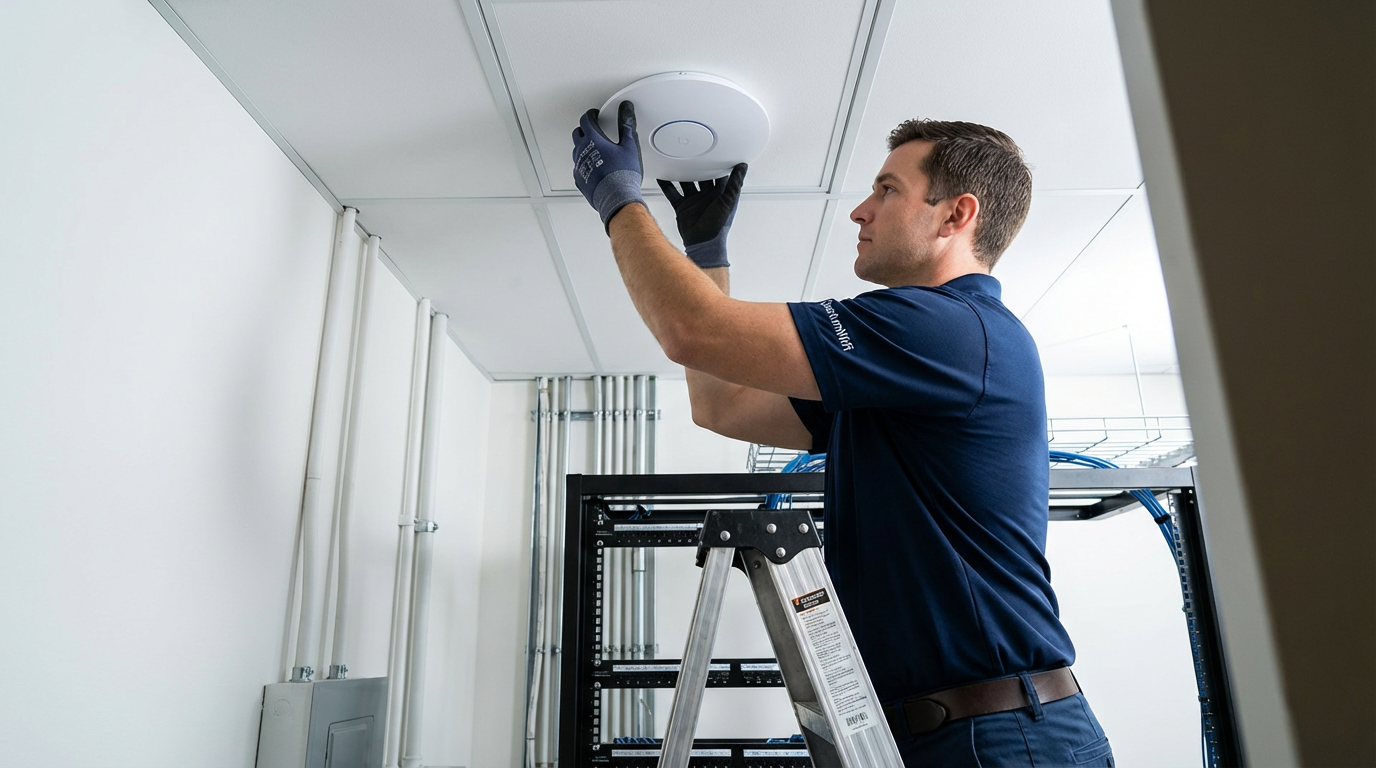
Post-Installation Support and Optimization
Initial installation represents only the beginning of the service relationship. Ongoing optimization ensures residents receive promised performance levels as usage patterns evolve. Regular speed testing and network monitoring help identify emerging issues before they impact user experience. Quality Eugene MDU Internet Provider services include proactive monitoring and maintenance as standard offerings.
Resident education improves satisfaction and reduces support burden. Providing simple guides explaining router placement, WiFi optimization, and basic troubleshooting empowers residents to resolve minor issues independently. Many providers offer online resources and video tutorials that property managers can share with residents during move-in orientations.
Future Trends in Eugene Multi-Dwelling Internet Service
Emerging technologies promise continued improvements in MDU connectivity options. WiFi 7 standards currently entering the market offer theoretical speeds exceeding 40 Gbps with reduced latency and improved performance in congested environments. These advancements will particularly benefit high-density housing where wireless interference has historically limited performance, making Eugene MDU Internet Provider services even more essential.
Smart Building Integration
Modern MDU developments increasingly incorporate internet-connected building systems for access control, climate management, and security monitoring. These smart building applications require dedicated bandwidth allocation separate from resident internet usage. Forward-thinking property owners are working with Eugene MDU Internet Provider companies to design networks supporting both resident connectivity and building automation systems.
The Internet of Things continues expanding within residential environments. Average households now contain over 25 connected devices, a number projected to double by 2030 according to Statista’s IoT market analysis. MDU networks must accommodate this growth while maintaining performance for bandwidth-intensive applications like streaming and gaming.
Frequently Asked Questions
What speeds should Eugene MDU residents expect from quality providers?
Quality Eugene MDU Internet Provider services should deliver minimum speeds of 100 Mbps download and 20 Mbps upload per unit. Premium services increasingly offer symmetrical gigabit connections suitable for demanding applications including 4K streaming and professional video conferencing.
Can residents choose their own provider in bulk-service buildings?
Buildings with exclusive bulk agreements typically limit provider choices. However, FCC regulations prohibit exclusive arrangements that completely prevent competition. Residents can request alternative services, though installation may require additional infrastructure investment.
How long do MDU internet installations typically take?
Complete building installations range from two weeks for smaller properties to several months for large complexes requiring extensive infrastructure work. Individual unit activations after building infrastructure completion typically occur within 24-48 hours, facilitated by a reliable Eugene MDU Internet Provider.
What happens if service quality doesn’t meet promised standards?
Reputable providers include service level agreements specifying minimum performance standards and remedies for failures. Document speed test results and report persistent issues promptly. Oregon’s Public Utility Commission provides consumer protection resources for unresolved disputes.
Are there local incentives for improving MDU internet infrastructure?
Lane County occasionally offers grants supporting broadband infrastructure improvements in underserved areas. Property owners should contact the City of Eugene’s Technology Department for information about current programs and eligibility requirements.
Key Takeaways
- Eugene MDU Internet Provider selection requires evaluating reliability, speed, and support quality beyond promotional pricing
- Building infrastructure significantly impacts available connectivity options and installation complexity, especially when working with a Eugene MDU Internet Provider
- Bulk service agreements offer cost savings but may limit resident provider choices
- Professional installation and ongoing optimization ensure consistent performance across all units
- Future-ready infrastructure investments protect property values and resident satisfaction long-term
Conclusion
Selecting the right Eugene MDU Internet Provider represents a significant decision for property managers and residents alike. The connectivity landscape continues evolving rapidly, with new technologies and service models emerging regularly. By understanding infrastructure requirements, evaluating providers thoroughly, and planning for future needs, stakeholders can ensure their multi-dwelling properties remain competitive and desirable.
Eugene’s growing technology economy and expanding multi-family housing sector make reliable internet connectivity increasingly essential for property success. Taking time to research options, negotiate favorable terms, and implement services properly pays dividends through improved resident satisfaction and reduced turnover. Whether managing a small apartment building or large condominium complex, the principles outlined in this guide provide a foundation for making informed connectivity decisions in 2026 and beyond.
References
- National Multifamily Housing Council – Resident Preferences Survey 2025
- Federal Communications Commission – Broadband Deployment Report
- J.D. Power – U.S. Residential Internet Service Provider Satisfaction Study: https://www.jdpower.com/business/press-releases/2025-us-residential-internet-service-provider-satisfaction-study
- Statista – IoT Connected Devices Worldwide: https://www.statista.com/statistics/1183457/iot-connected-devices-worldwide/
- City of Eugene Technology Department: https://www.eugene-or.gov/4424/Technology