
Bulk WiFi services for apartments have emerged as one of the most transformative amenities in modern property management. As connectivity becomes as essential as running water and electricity, property owners and managers face increasing pressure to deliver reliable, high-speed internet to every unit. Research indicates that over 87% of apartment seekers now consider internet connectivity a deciding factor when choosing their next home, making bulk WiFi services for apartments a competitive necessity rather than a luxury.
This comprehensive guide explores everything property managers, building owners, and real estate investors need to know about implementing bulk WiFi services for apartments in 2026. From understanding the fundamental technology to calculating return on investment, industry experts recommend treating this amenity as a strategic asset that drives tenant retention and property value. For those managing properties in Florida, understanding Miami multifamily internet solutions provides valuable regional context for connectivity decisions.

Understanding Bulk WiFi Services for Apartments: Core Concepts
Bulk WiFi services for apartments represent a managed connectivity solution where property owners contract with internet service providers to deliver building-wide internet access. Unlike traditional setups where individual tenants arrange their own service, bulk WiFi services for apartments create a unified network infrastructure that serves the entire property. This approach streamlines operations, reduces costs per unit, and ensures consistent connectivity throughout the building.
The technology behind bulk WiFi services for apartments typically involves fiber-optic backbone connections, strategically placed access points, and centralized network management systems. According to the Federal Communications Commission’s broadband guidelines, modern households require minimum speeds of 25 Mbps for basic functionality, though most bulk WiFi services for apartments now deliver speeds exceeding 100 Mbps per unit.
How Bulk WiFi Differs from Traditional Internet Services
Traditional apartment internet services require each tenant to establish individual accounts with service providers. This creates inconsistent experiences, with some units enjoying excellent connectivity while others struggle with dead zones. Bulk WiFi services for apartments eliminate this disparity by creating uniform coverage throughout the property. The managed approach also removes the hassle of installation appointments, equipment returns, and service transfers that tenants typically face.
Property managers who implement bulk WiFi services for apartments gain centralized control over network performance, security protocols, and bandwidth allocation. This visibility enables proactive troubleshooting and ensures that connectivity issues receive immediate attention. Best practices suggest that properties with bulk WiFi services for apartments experience 60% fewer connectivity complaints compared to buildings with individual service arrangements.
Key Components of Apartment WiFi Infrastructure
Successful bulk WiFi services for apartments require several critical infrastructure elements. The primary connection typically utilizes fiber-optic cables capable of delivering gigabit speeds to the building. Property owners considering infrastructure upgrades should explore fiber internet for multi family buildings as the foundation for reliable bulk connectivity. From this central point, structured cabling distributes connectivity to access points positioned throughout common areas and residential floors. Enterprise-grade access points ensure signal strength remains consistent across all units.
Network management platforms provide the intelligence behind bulk WiFi services for apartments. These systems monitor bandwidth usage, identify potential issues, and enable administrators to configure access controls. Many platforms now incorporate artificial intelligence to predict and prevent network congestion before it affects user experience.

Benefits of Implementing Bulk WiFi Services for Apartments
The advantages of bulk WiFi services for apartments extend far beyond simple convenience. Property owners who invest in managed connectivity solutions report measurable improvements across multiple business metrics. Industry experts recommend viewing this amenity as a revenue-generating asset rather than an operational expense.
Enhanced Tenant Satisfaction and Retention
Tenant satisfaction surveys consistently rank reliable internet among the top three most valued amenities. Bulk WiFi services for apartments address this demand by eliminating common frustrations associated with individual service arrangements. Tenants appreciate the simplicity of move-in-ready connectivity without waiting for installation appointments or dealing with equipment setup.
According to recent studies, properties offering bulk WiFi services for apartments experience 23% higher lease renewal rates compared to buildings without managed connectivity. This retention improvement translates directly to reduced turnover costs, which typically range from $1,500 to $5,000 per unit including cleaning, repairs, marketing, and vacancy losses. The investment in bulk WiFi services for apartments often pays for itself through improved retention alone.
Competitive Differentiation in the Rental Market
As apartment markets become increasingly competitive, bulk WiFi services for apartments provide meaningful differentiation. Prospective tenants comparing similar properties often choose buildings with included connectivity, even when rent prices are marginally higher. This preference reflects the growing importance of seamless digital experiences in daily life.
Marketing materials highlighting bulk WiFi services for apartments generate stronger engagement on listing platforms. Properties featuring this amenity receive 34% more inquiries than comparable units without managed connectivity. For property managers seeking to reduce vacancy periods, bulk WiFi services for apartments represent a proven strategy for attracting qualified applicants quickly.
New Revenue Stream Opportunities
Bulk WiFi services for apartments create opportunities for property owners to generate additional income. Many buildings incorporate connectivity costs into rent, effectively monetizing the service while providing tenant value. Others offer tiered packages where basic connectivity comes included, but premium speeds require additional fees.
The revenue potential of bulk WiFi services for apartments depends on local market conditions and tenant demographics. Properties serving remote workers or tech-savvy populations often command premium pricing for enhanced connectivity packages. Industry standards suggest that well-implemented bulk WiFi services for apartments can generate $15 to $50 per unit monthly in additional revenue.

Selecting the Right Provider for Bulk WiFi Services for Apartments
Choosing the appropriate provider for bulk WiFi services for apartments requires careful evaluation of multiple factors. The decision impacts property operations for years, making thorough due diligence essential. Property managers should approach vendor selection as they would any major capital investment.
Evaluating Provider Experience and Reputation
Experience matters significantly when selecting bulk WiFi services for apartments. Providers with established track records understand the unique challenges of multi-dwelling unit environments. They anticipate common issues and build solutions that address apartment-specific requirements like unit-to-unit interference, common area coverage, and secure tenant networks. Understanding comprehensive MDU WiFi services helps property managers evaluate provider capabilities more effectively.
References from similar properties provide valuable insights into provider performance. Property managers should request case studies demonstrating successful bulk WiFi services for apartments implementations in buildings of comparable size and tenant demographics. Red flags include providers who cannot provide references or who lack experience with multi-family properties.
Understanding Service Level Agreements
Service level agreements define the performance standards that providers must maintain for bulk WiFi services for apartments. These contracts should specify minimum uptime guarantees, response times for outage resolution, and bandwidth commitments per unit. Industry best practices suggest requiring 99.9% uptime guarantees with financial penalties for failures.
Escalation procedures deserve particular attention when negotiating bulk WiFi services for apartments contracts. Clear protocols ensure that critical issues receive immediate attention while routine matters follow standard support channels. Property managers should understand exactly who to contact when problems arise and what response times to expect.
Comparing Pricing Models and Contract Terms
Pricing structures for bulk WiFi services for apartments vary significantly among providers. Some offer all-inclusive monthly fees covering equipment, maintenance, and support. Others separate infrastructure costs from ongoing service charges. Understanding total cost of ownership requires analyzing both initial investment and long-term operational expenses.
Contract length represents another critical consideration for bulk WiFi services for apartments. Longer agreements often provide better per-unit pricing but reduce flexibility to change providers if service quality declines. Most industry experts recommend three to five-year terms with performance-based exit clauses that protect property owners from underperforming providers.

Implementation Best Practices for Bulk WiFi Services for Apartments
Successful deployment of bulk WiFi services for apartments requires careful planning and execution. Properties that rush implementation often experience ongoing issues that frustrate tenants and burden management teams. Following established best practices ensures smooth rollouts and optimal long-term performance.
Conducting Thorough Site Surveys
Professional site surveys form the foundation of effective bulk WiFi services for apartments installations. Engineers assess building construction materials, unit layouts, and existing infrastructure to design optimal network configurations. Concrete and steel construction requires different approaches than wood-frame buildings, affecting access point placement and quantity.
Site surveys for bulk WiFi services for apartments should identify potential interference sources including neighboring networks, electronic equipment, and structural obstacles. This analysis enables engineers to select appropriate equipment and configure channels to minimize interference. Skipping or rushing site surveys frequently results in coverage gaps that require expensive remediation.
Planning Installation Timelines
Installation of bulk WiFi services for apartments typically requires coordination with existing tenants, which complicates scheduling. Property managers should develop detailed timelines that minimize disruption while ensuring thorough installation. Communication with residents about temporary inconveniences builds goodwill and reduces complaints.
Phased rollouts often work best for bulk WiFi services for apartments in occupied buildings. This approach allows installation teams to complete one floor or section before moving to the next, limiting the scope of any disruptions. Testing each phase before proceeding ensures that issues receive attention before affecting additional units.
Training Staff on Network Management
On-site staff require training to support bulk WiFi services for apartments effectively. Maintenance personnel should understand basic troubleshooting procedures that resolve common issues without escalating to provider support. Leasing agents need sufficient knowledge to explain connectivity features to prospective tenants accurately.
Documentation supports ongoing management of bulk WiFi services for apartments. Network diagrams, equipment locations, and support contact information should be readily accessible to all relevant staff members. This documentation proves invaluable during emergencies when quick reference materials enable faster resolution.
Security Considerations for Bulk WiFi Services for Apartments
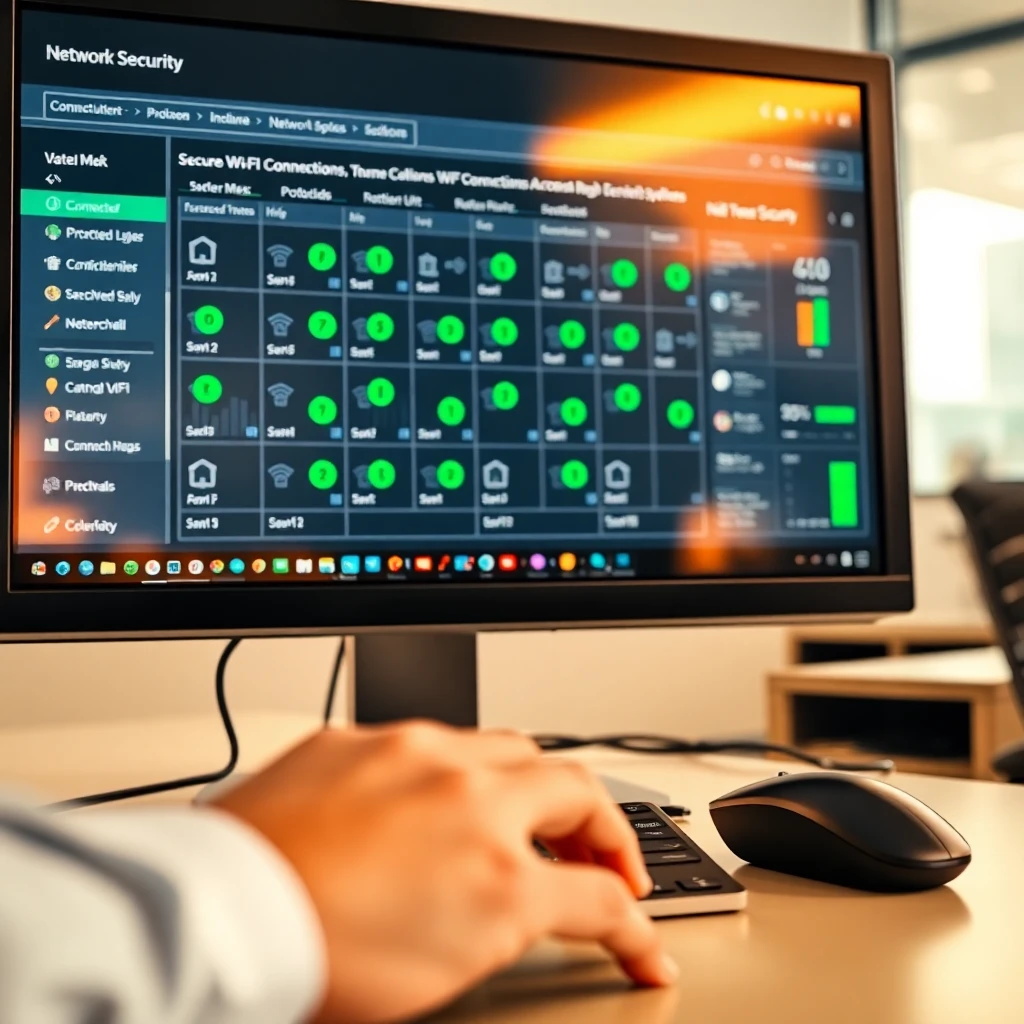
Network security represents a critical concern for bulk WiFi services for apartments. Shared infrastructure creates potential vulnerabilities that malicious actors might exploit. Property managers bear responsibility for implementing appropriate protections that safeguard tenant data and privacy.
Implementing Network Segmentation
Proper network segmentation ensures that bulk WiFi services for apartments maintain individual tenant privacy. Each unit should operate on an isolated network segment that prevents other residents from accessing their devices or data. This architecture mirrors the security model of individual internet connections while maintaining the efficiency benefits of bulk services.
Common area networks for bulk WiFi services for apartments require separate segmentation from residential connections. Guest networks in lobbies, fitness centers, and other shared spaces should operate independently with appropriate access controls. This separation protects residential networks from potential threats introduced through public access points.
Establishing Access Controls and Authentication
Authentication systems for bulk WiFi services for apartments should balance security with user convenience. Many properties implement credential-based systems that assign unique login information to each unit. This approach enables network administrators to track usage, troubleshoot issues, and revoke access when tenants move out.
The National Institute of Standards and Technology cybersecurity framework provides guidance applicable to bulk WiFi services for apartments. Following these standards helps property managers implement appropriate protections without overcomplicating network access for legitimate users.
Regular Security Audits and Updates
Ongoing security maintenance keeps bulk WiFi services for apartments protected against evolving threats. Regular firmware updates for network equipment address newly discovered vulnerabilities. Security audits identify potential weaknesses before malicious actors can exploit them.
Provider contracts for bulk WiFi services for apartments should specify security maintenance responsibilities clearly. Understanding who handles updates, monitors for intrusions, and responds to security incidents prevents gaps in protection. Best practices suggest quarterly security reviews at minimum, with continuous monitoring for critical systems.
Measuring Success: Key Performance Indicators for Bulk WiFi Services for Apartments
Effective management of bulk WiFi services for apartments requires ongoing performance monitoring. Establishing relevant metrics enables property managers to identify issues, justify investments, and optimize service delivery. Data-driven management ensures that connectivity continues meeting tenant expectations.
Network Performance Metrics
Technical metrics for bulk WiFi services for apartments include uptime percentage, average speeds, and latency measurements. These indicators reveal whether the network delivers promised performance levels. Tracking these metrics over time identifies trends that might indicate developing problems or capacity limitations.
Bandwidth utilization analysis helps property managers plan for future needs of bulk WiFi services for apartments. Understanding peak usage patterns enables proactive capacity upgrades before congestion affects user experience. Most modern network management platforms provide automated reporting on these metrics.
Tenant Satisfaction Measurements
Technical performance alone does not capture the full picture of bulk WiFi services for apartments success. Tenant satisfaction surveys reveal how residents perceive their connectivity experience. These subjective measurements often identify issues that technical metrics miss, such as confusing login procedures or unhelpful support interactions.
Tracking support ticket volume and resolution times provides additional insight into bulk WiFi services for apartments performance. Declining ticket volumes generally indicate improving service quality, while increasing complaints signal potential problems requiring attention. Response time trends reveal whether support processes meet tenant expectations.
Financial Performance Analysis
Return on investment calculations help property managers evaluate bulk WiFi services for apartments as business assets. Comparing implementation costs against revenue generation, retention improvements, and competitive advantages quantifies the financial impact. This analysis supports budget decisions and justifies ongoing investments in connectivity infrastructure.
Benchmarking against industry standards provides context for bulk WiFi services for apartments financial performance. Understanding how similar properties monetize connectivity helps identify optimization opportunities. Properties underperforming benchmarks may benefit from pricing adjustments or service tier restructuring.
[IMAGE: Financial analyst reviewing ROI calculations for apartment WiFi investment]
Future Trends Shaping Bulk WiFi Services for Apartments in 2026 and Beyond
The landscape for bulk WiFi services for apartments continues evolving rapidly. Emerging technologies and changing tenant expectations drive innovation in connectivity solutions. Forward-thinking property managers monitor these trends to maintain competitive advantages.
Integration with Smart Building Systems
Bulk WiFi services for apartments increasingly integrate with broader smart building ecosystems. Connected thermostats, smart locks, and building management systems rely on robust network infrastructure. Properties designed with this integration in mind deliver superior resident experiences while improving operational efficiency.
Internet of Things device proliferation increases bandwidth demands on bulk WiFi services for apartments. Modern households average over 20 connected devices, from smartphones and laptops to smart speakers and streaming devices. Network infrastructure must accommodate this growing device density while maintaining performance standards.
WiFi 7 and Next-Generation Standards
WiFi 7 technology represents the next major advancement for bulk WiFi services for apartments. This standard delivers dramatically improved speeds, reduced latency, and better performance in dense environments. Properties investing in infrastructure today should consider upgrade paths to next-generation equipment.
Backward compatibility ensures that bulk WiFi services for apartments can support both current and legacy devices. While new standards offer improved performance, network infrastructure must accommodate older equipment that tenants continue using. Thoughtful planning balances cutting-edge capabilities with practical compatibility requirements.
Sustainability and Energy Efficiency
Environmental considerations increasingly influence bulk WiFi services for apartments decisions. Energy-efficient network equipment reduces operational costs while supporting sustainability goals. Many tenants now consider environmental impact when choosing apartments, making green initiatives valuable differentiators.
Modern network equipment for bulk WiFi services for apartments consumes significantly less power than previous generations while delivering superior performance. Upgrading legacy infrastructure often produces both performance improvements and energy savings. These dual benefits strengthen the business case for network modernization investments.
Frequently Asked Questions About Bulk WiFi Services for Apartments
How much do bulk WiFi services for apartments typically cost per unit?
Costs for bulk WiFi services for apartments vary based on building size, desired speeds, and service level requirements. Most properties pay between $25 and $75 per unit monthly for managed connectivity solutions. Initial infrastructure installation adds one-time costs ranging from $200 to $500 per unit depending on existing cabling and equipment needs. Volume discounts often reduce per-unit costs for larger properties.
Can tenants opt out of bulk WiFi services for apartments?
Policies regarding tenant participation in bulk WiFi services for apartments depend on how properties structure their offerings. Some buildings include connectivity costs in rent, making participation mandatory. Others offer optional enrollment where tenants can choose between building-provided service and individual arrangements. Legal requirements vary by jurisdiction, so property managers should consult local regulations when establishing policies.
What speeds should bulk WiFi services for apartments provide?
Industry standards for bulk WiFi services for apartments recommend minimum speeds of 100 Mbps per unit for basic service tiers. Premium offerings typically provide 300 Mbps to 1 Gbps connections. Speed requirements depend on tenant demographics and usage patterns. Properties serving remote workers or tech-focused populations generally require higher bandwidth allocations to meet expectations.
How long does installation of bulk WiFi services for apartments take?
Installation timelines for bulk WiFi services for apartments depend on building size, construction type, and existing infrastructure. Small properties with 20 to 50 units typically require two to four weeks for complete installation. Larger buildings may need two to three months for full deployment. Phased approaches allow partial activation during extended installation periods.
What happens when bulk WiFi services for apartments experience outages?
Quality providers of bulk WiFi services for apartments maintain 24/7 support operations to address outages promptly. Service level agreements should specify maximum response times and resolution targets. Most providers offer multiple contact channels including phone, email, and online portals. Property managers should establish clear communication protocols for informing tenants about outages and expected resolution times. For Kansas City property managers, reviewing MDU internet Kansas City resources provides region-specific guidance on provider selection and support expectations.
Key Takeaways
- Bulk WiFi services for apartments have become essential amenities that significantly impact tenant satisfaction, retention rates, and property competitiveness in the 2026 rental market.
- Successful implementation requires thorough site surveys, careful provider selection, and comprehensive planning that addresses both technical requirements and tenant experience considerations.
- Security measures including network segmentation, proper authentication, and regular audits protect tenant privacy while maintaining the convenience benefits of bulk WiFi services for apartments.
- Financial analysis should consider both direct revenue opportunities and indirect benefits including improved retention, reduced vacancy periods, and enhanced property values when evaluating bulk WiFi services for apartments investments.
- Future-proofing infrastructure through WiFi 7 compatibility planning and smart building integration ensures that bulk WiFi services for apartments continue meeting evolving tenant expectations.
Conclusion
Bulk WiFi services for apartments represent a strategic investment that delivers measurable benefits across multiple dimensions of property management. From enhanced tenant satisfaction to new revenue opportunities, managed connectivity solutions address the growing demand for reliable internet access in residential settings. Property managers who implement bulk WiFi services for apartments position their buildings competitively while simplifying operations.
Success with bulk WiFi services for apartments requires attention to provider selection, implementation planning, security considerations, and ongoing performance management. Properties that approach connectivity as a strategic asset rather than a simple utility gain advantages that compound over time. As technology continues advancing and tenant expectations evolve, bulk WiFi services for apartments will remain essential components of successful property management strategies.
Learn more about smart building technology integration to maximize the value of your connectivity investments. For property managers ready to explore bulk WiFi services for apartments, consulting with experienced providers offers the fastest path to implementation success. The competitive advantages of superior connectivity await properties willing to invest in their digital infrastructure.
References
- Federal Communications Commission. “Broadband Speed Guide.” FCC Consumer Guides. https://www.fcc.gov/consumers/guides/broadband-speed-guide
- National Institute of Standards and Technology. “Cybersecurity Framework.” NIST. https://www.nist.gov/cyberframework